Trezor Login —
In the world of cryptocurrency, security is paramount. Digital assets are decentralized, which means no central authority can recover lost funds if your wallet is compromised. Hardware wallets like Trezor provide an extra layer of protection by keeping private keys offline, making them immune to most forms of hacking. Accessing a Trezor wallet safely requires understanding the Trezor Login process and best security practices.
This guide will provide a comprehensive overview of Trezor Login, including setup, access methods, security measures, troubleshooting, and best practices. It is designed for both beginners entering the cryptocurrency space and experienced users who want a secure and reliable wallet login process.
1. What Is Trezor?
Trezor is a hardware wallet designed to store cryptocurrency securely offline. It supports a wide range of digital assets including Bitcoin, Ethereum, Litecoin, and many tokens. Trezor ensures private keys never leave the device, which makes it a highly secure solution for managing crypto funds.
Key features of Trezor:
Offline storage of private keys
Support for hundreds of cryptocurrencies
Secure transaction signing
Backup and recovery through a recovery seed
Integration with wallets and trading platforms
Understanding Trezor Login is essential for using these features safely and effectively.
2. Why Secure Login Matters
Login security is crucial because unauthorized access to your Trezor wallet can result in permanent loss of funds. Unlike software wallets, Trezor hardware wallets protect keys from being exposed online, but access still requires authentication.
Trezor Login security features include:
PIN code entry to unlock the device
Optional passphrase for additional security
Verification of addresses before signing transactions
Two-factor authentication for associated online accounts
These layers ensure that even if someone has physical access to your device, your funds remain protected.
3. Setting Up Your Trezor Wallet
Before logging in, your Trezor device must be set up:
Unbox and Connect: Plug your Trezor device into your computer or mobile device using USB or Bluetooth (depending on model).
Initialize the Device: Follow the on-screen instructions to start setup.
Set a PIN Code: This prevents unauthorized access.
Write Down Recovery Seed: A 12- or 24-word recovery seed allows you to restore your wallet if the device is lost or damaged.
Install Trezor Suite: Download the official Trezor software for managing your wallet and logging in securely.
Once setup is complete, your device is ready for secure Trezor Login.
4. Logging Into Trezor Wallet
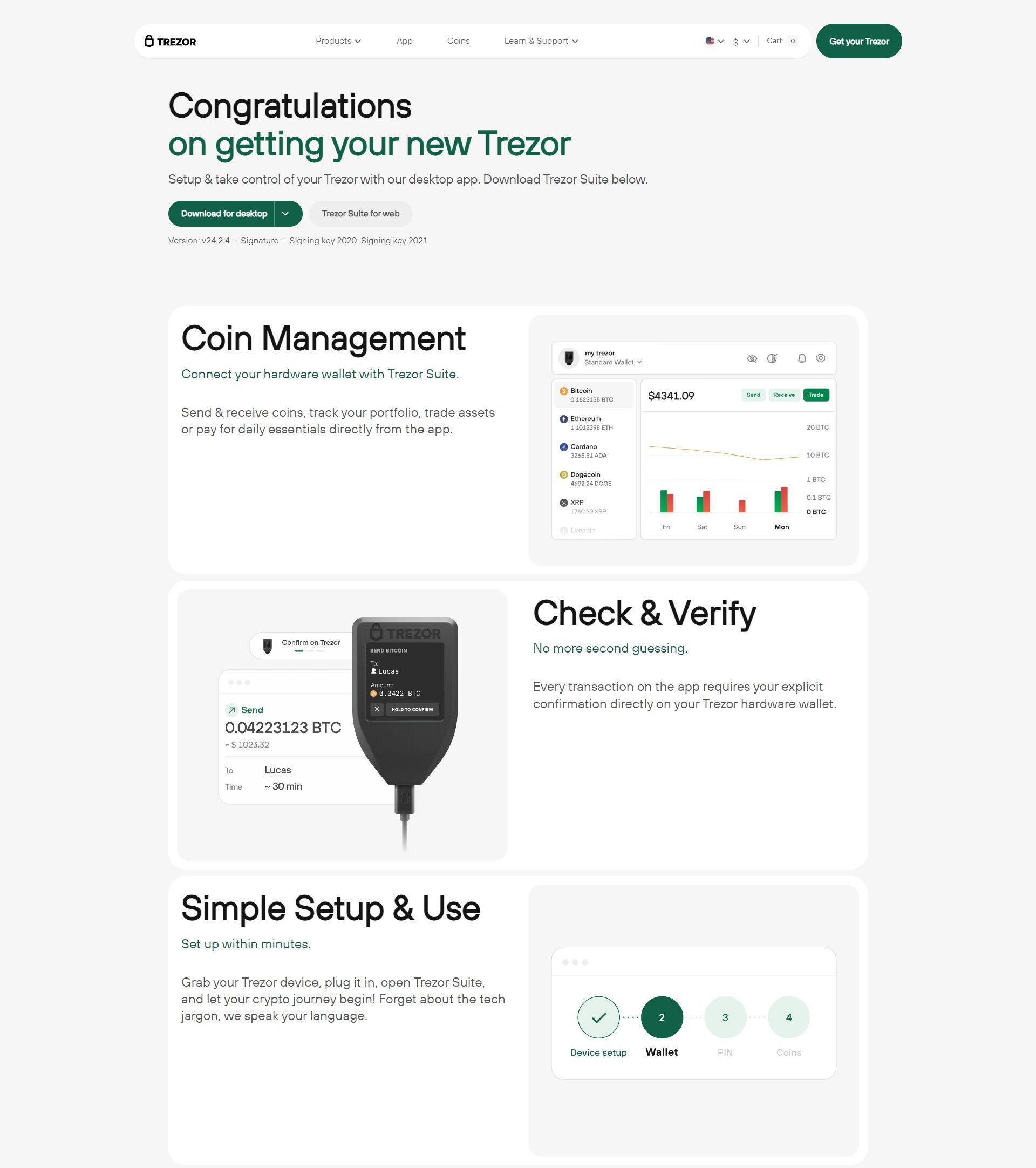
Trezor Login typically occurs via Trezor Suite, a secure application for managing your wallet:
Connect Your Device: Plug in or connect your Trezor hardware wallet.
Enter PIN: Use the device screen to input your personal PIN code.
Optional Passphrase: If enabled, enter your passphrase for an added layer of security.
Access Wallet Dashboard: Once authenticated, you can view balances, send and receive funds, and manage assets.
Trezor Login ensures that the private keys never leave the hardware device, keeping your funds safe.
5. Common Login Methods
Trezor Suite (Desktop or Web): Main method for accessing and managing your wallet.
Third-Party Wallet Integration: Some wallets allow you to connect Trezor devices for transactions.
Mobile App Access: Using compatible mobile applications with Bluetooth-enabled Trezor models.
Each login method prioritizes security while offering convenient access to your crypto assets.
6. Security Features During Login
Trezor implements multiple security measures during login:
PIN Code: Protects against unauthorized access.
Passphrase Option: Adds a second layer of authentication.
Transaction Verification: The device screen verifies every transaction before signing.
Recovery Seed Protection: Ensures you can restore your wallet without exposing private keys.
These features reduce the risk of hacking, phishing, and unauthorized access.
7. Troubleshooting Login Issues
Common issues and solutions:
Device Not Recognized: Ensure Trezor firmware is updated and try a different USB port or cable.
Forgot PIN: Use your recovery seed to reset the device.
Browser Issues: Clear cache or use Trezor Suite instead of a web browser.
Passphrase Problems: Make sure you enter the correct passphrase; it is case-sensitive.
Following these steps helps maintain smooth access to your wallet.
8. Best Practices for Trezor Login
To ensure security during login:
Always use official Trezor Suite software
Never share your PIN or passphrase
Avoid connecting your device to untrusted computers
Store recovery seeds offline in secure locations
Regularly update firmware to protect against vulnerabilities
Adhering to these practices minimizes security risks.
9. Using Trezor Login for Transactions
Once logged in:
Send Funds: Select the cryptocurrency, enter the recipient address, and confirm on the device screen.
Receive Funds: Generate a wallet address to share with the sender.
Monitor Transactions: Track confirmations and balances directly in Trezor Suite.
The login process ensures that your private keys remain offline during all transactions.
10. Trezor Login for Multiple Devices
Trezor supports login across different devices:
Desktop computers
Laptops
Mobile devices with Bluetooth-enabled Trezor models
Using multiple devices is convenient but still secure because login requires PIN verification and optional passphrase entry for each session.
11. Advantages of Trezor Login
Private keys remain offline
Multiple authentication layers (PIN, passphrase)
Compatible with hundreds of cryptocurrencies
Supports secure transaction signing
Easy integration with third-party wallets
This makes Trezor Login both safe and user-friendly.
12. Differences Between Trezor Login and Other Wallets
Unlike software wallets:
Trezor keeps keys offline, reducing hacking risk
PIN and passphrase protection add extra security layers
Recovery seed allows full wallet restoration without internet exposure
Supports hardware-level transaction verification
These differences make Trezor one of the most secure options for cryptocurrency management.
13. Future Updates and Features
Trezor continues to evolve:
Expanded cryptocurrency support
Enhanced Trezor Suite features for login and asset management
Improved mobile access with Bluetooth
Stronger security protocols to prevent attacks
These developments aim to make Trezor Login more secure and user-friendly.
14. Conclusion
Trezor Login is a crucial step for securely accessing your cryptocurrency assets. By combining hardware-level protection, PIN verification, passphrases, and recovery seeds, Trezor ensures your funds remain safe from hacking and unauthorized access. Using Trezor Suite or supported third-party wallets, you can manage, send, and receive cryptocurrencies with confidence.
Following best practices—such as securing recovery phrases, using official software, and verifying transactions—ensures maximum security. Whether you are a beginner or an experienced trader, understanding Trezor Login is essential to fully leverage the security and flexibility of your Trezor hardware wallet. It is more than a login process; it is your gateway to safe cryptocurrency management.